Inflatable boats have become one of the most versatile and accessible ways to get out on the water, whether you're heading out for a day of fishing, exploring the local coastline, or simply looking for a reliable tender for your main vessel.
With so many options available, choosing the right dinghy can feel overwhelming, especially for beginners. This guide will walk you through the key factors to consider when buying an inflatable boat, helping you make a confident and informed decision that suits your needs, budget, and boating requirements.
Understanding What You Need from an Inflatable Boat
Before diving into specifications, it’s important to think about how you plan to use your inflatable boat. Are you interested in relaxed coastal cruising, serious fishing trips, or simply a lightweight tender to get from shore to your yacht? Your intended use will influence the sort of inflatable boat you purchase.
For example, anglers will often prioritise stability and space for gear, while those using a dinghy as a tender may prefer something lightweight and easy to store. At retailers like Seamark Nunn, you’ll find a wide range of stock including different categories tailored to different boating needs, supported by expert advice to help match the right product to your lifestyle.
Size and Capacity: Getting the Right Fit

One of the first considerations when choosing an inflatable boat is size. Dinghies typically range from compact 2 person models to larger boats capable of carrying six or more people. While it might be tempting to go for the smallest option for convenience and to save money, it’s important to make sure there’s enough room for passengers, equipment, and any additional gear such as fishing tackle or safety equipment.
Capacity ratings are not just about comfort, they’re also about safety. Overloading a boat can affect stability and performance, particularly in choppy conditions. If you’re planning fishing trips or longer outings, opting for a slightly larger model can make a significant difference and add additional comfort and usability.
Weight and Portability: Balancing Convenience and Performance
One of the biggest advantages of inflatable boats is their portability. Many models can be deflated, folded, and stored in a carry bag, making them ideal for those with limited storage space or no trailer.
However, there’s often a trade off between portability and performance. Lightweight boats are easier to transport but may lack the rigidity and durability of heavier models. If you plan to frequently move your boat between locations or store it in your car, weight will be a key factor. On the other hand, if performance and stability are your priority, you may be willing to accept a heavier design.
Materials Matter: PVC vs Hypalon
The material of your inflatable boat plays a major role in its durability, lifespan, and overall performance. The two most common materials you’ll encounter are PVC and Hypalon.
PVC is widely used due to its affordability and lightweight nature. It’s ideal for casual users and those who prioritise ease of handling and storage. Modern PVC boats are highly durable and resistant to abrasion, making them a popular choice for general use.
Hypalon, on the other hand, is known for its superior durability and resistance to UV rays, chemicals, and extreme temperatures. It’s often used in premium models and is favoured by serious boaters and professionals. While Hypalon boats tend to be more expensive, they offer exceptional longevity, particularly if you plan to use your boat frequently or in rougher conditions.
Floor and Hull Types: Choosing the Right Structure
Another key factor to consider is the type of floor and hull your inflatable boat has. This will directly impact how the boat performs on the water, as well as how easy it is to assemble and transport.
Air deck floors are increasingly popular due to their lightweight design and easy setup. They use high-pressure air chambers to create a rigid surface, offering a good balance between portability and performance.
Slatted or roll-up floors are typically used in more compact and budget friendly models. While they are easy to store and transport, they may not provide the same level of rigidity as air decks.
For those seeking maximum performance, rigid inflatable boats (RIBs) have a solid hull combined with inflatable tubes. These boats offer excellent stability, handling, and speed, making them ideal for more demanding activities such as offshore fishing or longer journeys. However, they are less portable and usually require a trailer for transport.
Matching Your Boat to Your Lifestyle

Choosing the right inflatable boat ultimately comes down to how well it fits your lifestyle. If you’re an avid angler, look for qualities such as rod holders, ample storage space, and a stable platform for casting. If you’re planning family outings, comfort and safety features, such as grab lines and cushioned seating will be key.
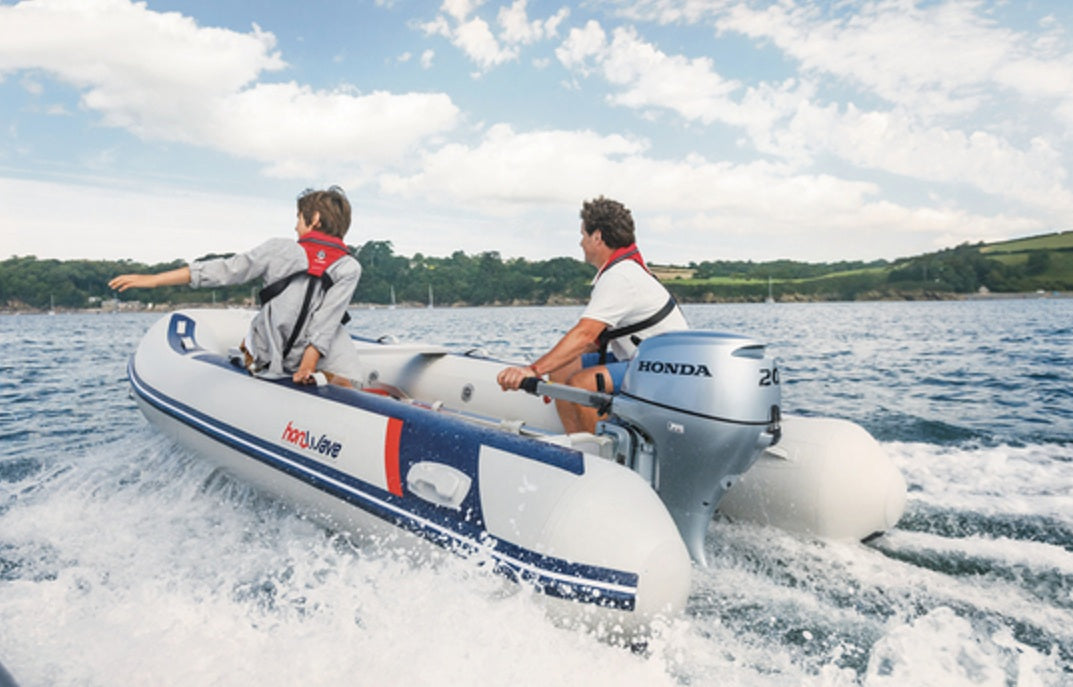
You should also consider whether you’ll be using an outboard motor and, if so, ensure the boat is compatible with the appropriate engine size. Whether you are using an electric outboard or a used outboard, many inflatable boats are designed to accommodate small motors, which add speed and convenience.
With expert chandlers like Seamark Nunn, you can discover a curated selection of brand new inflatable boats across various categories, making it easier to find a model that aligns with your intended use. Their expertise in boats and marine equipment ensures you’re not just buying a product you’re investing in a solution tailored to your needs.
Practical Tips for First-Time Buyers
When purchasing your first inflatable boat, it’s worth taking the time to research and compare different models. Reading product descriptions, understanding specifications, and seeking expert advice can make a significant difference in your overall experience.
Think about where you’ll be using the boat most often, calm inland waters, coastal areas, or open sea and choose a model designed for those conditions. Always factor in essential accessories such as pumps, repair kits, and safety equipment, as these are crucial for a safe and enjoyable outing.
It’s also a good idea to explore the sections and categories available on specialist marine websites. This not only helps you understand all of the options available, but also gives you insight into the latest innovations and trends in inflatable boats. Some online stores may also have a sale or discount on certain products.
Final Thoughts
Inflatable boats offer an unbeatable combination of convenience, versatility, and affordability, making them an excellent choice for beginners and experienced boaters. By carefully considering factors such as size, weight, material, and hull type, you can find a dinghy that perfectly matches your needs, whether that’s for fishing, sharing family adventures, or simply supporting your main vessel.
With the right knowledge and guidance, choosing an inflatable boat doesn’t have to be complicated. Take advantage of expert advice, explore the stock of trusted retailers like Seamark Nunn, and invest in a boat that will provide years of enjoyment on the water.