A marine toilet is one of the hardest-working pieces of equipment on any boat, yet it is often forgotten and neglected until something stops working. Whether you have one of the traditional manual toilets found on many sailing boats or one of the latest electric marine toilets installed on a larger cruiser, regular maintenance is essential to keep everything operating smoothly.
Unlike a household toilet, a boat toilet has to cope with a limited water supply, compact plumbing systems, movement at sea, and, in many cases, saltwater flowing through its internal components. Without regular care, these conditions can quickly lead to blockages, unpleasant smells, worn pumps, and expensive repairs.
Fortunately, maintaining a marine toilet does not need to be difficult. By understanding how the system works and replacing worn parts before they fail, you can quite significantly extend the lifespan of your toilet while avoiding unexpected issues during a trip to sea.
In this guide, we'll explain how to maintain a marine toilet properly, the common faults to look out for, and when it's time to replace parts using quality marine products.
Understanding How a Marine Toilet Works
Before carrying out any maintenance, you need to understand the basic operation of a marine toilet. Although different manufacturers offer slightly different designs, most systems operate in a similar way. Water is drawn into the bowl before waste is pushed through a network of pipes and into either a holding tank or, where regulations allow for it, discharged overboard.
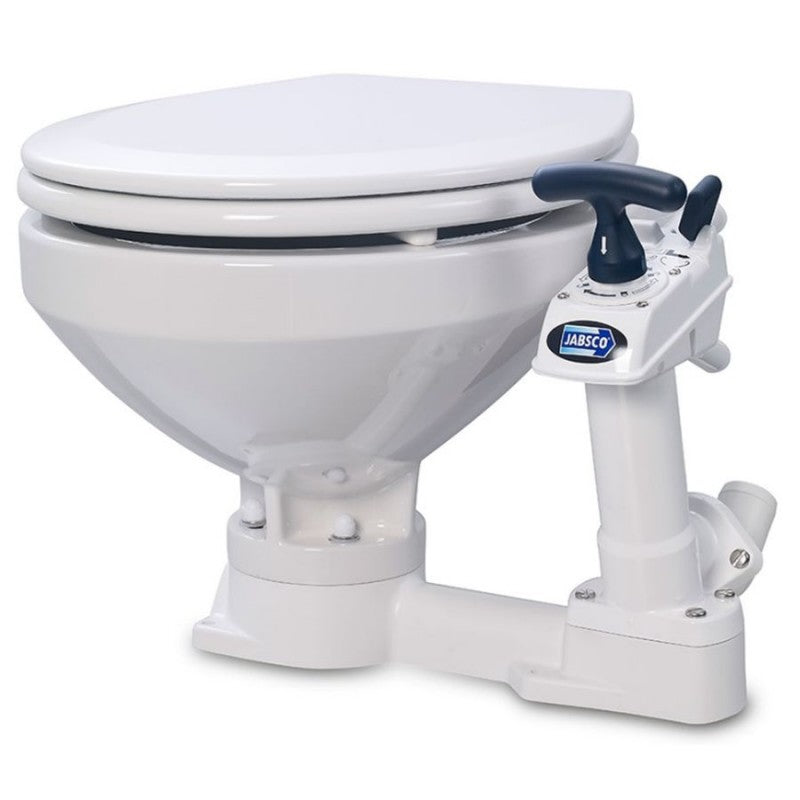
Manual toilets use a hand pump to control the movement of both water and waste. Each stroke draws in either raw water or seawater before pumping the contents through the toilets' discharge system. Their simple design has made them a popular choice for decades, particularly on smaller boats where reliability and low power consumption are important.
Electric toilets perform exactly the same task but use an electric pump instead of manual operation. Electric flush toilets provide greater convenience, more so on larger vessels where they may be used more frequently. At the press of a button, the system automatically fills the bowl, flushes waste, and transfers it into the holding tank, making them especially popular with families and liveaboard boat owners.
Regardless of which type you have installed, every marine toilet relies on pumps, valves, seals, and pipework working together. Looking after each of these components helps ensure the entire system continues to operate reliably.
Why Regular Maintenance Is So Important
A marine toilet works in an environment that is considered harsher than a domestic loo. Saltwater, moisture, waste, vibration, and constant movement all contribute to wear over time. Components that are perfectly reliable when first installed will naturally deteriorate, while mineral deposits from seawater gradually build up inside pumps and pipes.
Routine maintenance helps prevent many of the problems that boat owners commonly experience. A well-maintained toilet is less likely to develop unpleasant smells, suffer from blockages or lose flushing performance. It can also reduce strain on both manual and electric pumps, extending their service life and reducing the likelihood of costly repairs.
Regular inspections also allow you to identify worn seals or leaking connections before they become more serious. Replacing a relatively inexpensive valve or seal is considerably cheaper than replacing an entire toilet or repairing water damage onboard your vessel.
Flush with Fresh Water Whenever You Can
One of the simplest but most effective maintenance habits is flushing your marine toilet with fresh water whenever possible. Many systems tend to draw seawater directly from outside the hull, which is perfectly suitable for everyday operation. However, seawater contains dissolved salt and microscopic marine organisms that remain inside the plumbing after use.
As this water dries out, salt crystals begin to form inside the pipes and pump, gradually restricting water flow and making the system harder to operate. Marine growth can also contribute to unpleasant odours, particularly if the boat remains unused for extended periods.
Running several bowls of fresh rinse water through the toilet before leaving your boat helps remove these deposits before they have a chance to harden. Over time, this simple process can dramatically reduce maintenance requirements while improving the overall reliability of both manual and electric marine toilets.
Keep the Pump in Good Condition
Whether your marine toilet is equipped with a hand pump or an electric pump, it is the component that experiences the greatest amount of wear. Every flush places pressure on seals, valves, and moving parts, all of which gradually deteriorate through the course of normal use.
If you have a manual toilet, pay attention to how the pump feels during operation. A stiff handle, reduced suction, or water leaking around the pump housing can all indicate that internal seals are beginning to wear. There is no need to worry, as in many cases, these components can be replaced using a dedicated service kit rather than fitting a completely new pump.
Owners of more premium electric toilets should also remain aware of any changes in performance. If the pump becomes noticeably louder, struggles to clear the bowl or begins operating inconsistently, it may be showing the first signs of wear. Addressing these issues early often prevents further damage to the motor or other connected components.
Don't Ignore Your Pipes and Plumbing
The plumbing connected to your marine toilet needs just as much attention as the toilet itself. Waste pipes naturally accumulate deposits over time, particularly if unsuitable materials have been flushed into the system. Salt build-up from seawater can also reduce the internal diameter of the pipes, making blockages increasingly likely.
During routine maintenance, inspect all visible pipework for signs of cracking, leaks, or deterioration. Pay particular attention to joints, hose clips, and areas where hoses bend sharply, as these are often the first places to develop problems.
If you begin noticing sewage smells inside the cabin despite having a clean toilet, the sanitation hose itself may have become permeated with odours. Once this happens, replacing the affected pipework is generally the only permanent solution.
Looking After the Holding Tank
Many modern boats are fitted with a holding tank that stores waste until it can be emptied responsibly at a pump-out station ashore. While these systems are far better for the environment and comply with regulations across many inland waterways and coastal marinas, they also require occasional maintenance.
Waste should not be left sitting in the tank for long periods if it can be avoided. Over time, bacteria, scale, and residue begin to accumulate, leading to unpleasant smells and reduced system performance. Emptying the tank regularly and giving it a thorough rinse helps minimise these issues while preventing deposits from building up inside.
It's also worth checking the deck fitting, vent lines, and any fitted filters as part of your annual maintenance. Small leaks or blocked vents are often responsible for smells that many owners mistakenly assume are coming from the toilet itself.
Replace Worn Parts Before They Fail
Every marine toilet contains a number of consumable components that are designed to wear out over time. Joker valves, piston seals, O-rings, inlet valves, and outlet valves all gradually lose their flexibility, particularly after years of exposure to seawater and cleaning products.
Waiting until these parts fail completely often results in inconvenient breakdowns or water leaks while you're away from shore. Instead, replacing them during routine servicing helps keep the system working efficiently and greatly reduces the risk of unexpected failures.
This is especially true for owners of Jabsco toilets or RM69 models
where genuine replacement parts are widely available and often allow an older toilet to perform almost as well as a new one without the expense of a complete replacement.
Cleaning Your Marine Toilet Correctly
Keeping the bowl clean is important, but using the wrong products can do more harm than good. Many domestic cleaning chemicals contain bleach or harsh ingredients that gradually damage rubber seals and interfere with biological treatments used inside holding tanks.
Instead, use cleaning products specifically designed for marine toilets. These are formulated to remove stains and odours while remaining safe for the plumbing, seals, and waste system. Regular cleaning beneath the rim and around the flush openings also helps prevent deposits from restricting water flow over time.
Preparing Your Toilet for Winter
If your boat will be laid up during the colder months, winterising the marine toilet should form part of your end-of-season maintenance. Water trapped inside pumps, valves, and pipes can freeze during cold weather, causing cracks that may not become apparent until the following season.
Before leaving the boat for winter, flush the system thoroughly with fresh water, empty the holding tank completely, and follow the manufacturer's recommended winterisation procedure. Taking these precautions helps ensure your toilet is ready for reliable operation when boating season returns.
When Is It Time to Upgrade?
Even with excellent maintenance, every marine toilet eventually reaches the point where replacement becomes the more practical option. Older systems may require increasingly frequent repairs, while newer models often offer quieter operation, improved reliability, and greater efficiency.
Modern electric flush toilets have become significantly more compact and energy efficient, making them suitable for a much wider range of boats. Likewise, newer manual toilets benefit from improved materials and smoother operation, helping reduce maintenance requirements over their lifetime.
If you're already replacing multiple components or carrying out major plumbing work, upgrading the entire system can often provide better long-term value than continuing to repair an ageing installation.
Keep Your Marine Toilet Performing at Its Best with Seamark Nunn
A well-maintained marine toilet is something you will rarely think about. By flushing with fresh water whenever possible, inspecting pumps and plumbing regularly, servicing worn components, and looking after your holding tank, you can keep your toilet operating reliably for years to come.
Preventative maintenance not only reduces the risk of breakdowns but also helps eliminate smells, improve flushing performance, and extend the lifespan of your entire system.
If you're looking for replacement pumps, service kits, valves, seals or complete marine toilets, Seamark Nunn stocks a comprehensive range of genuine marine sanitation products from trusted manufacturers, including Jabsco.
Whether you're maintaining a manual boat toilet, upgrading to an electric marine toilet, or replacing worn components as part of routine servicing. Contact Seamark Nunn, where you will find high-quality products and expert advice to help keep your vessel ready for every journey.